
How to Recover From a Lifting Injury Without Losing All Your Progress
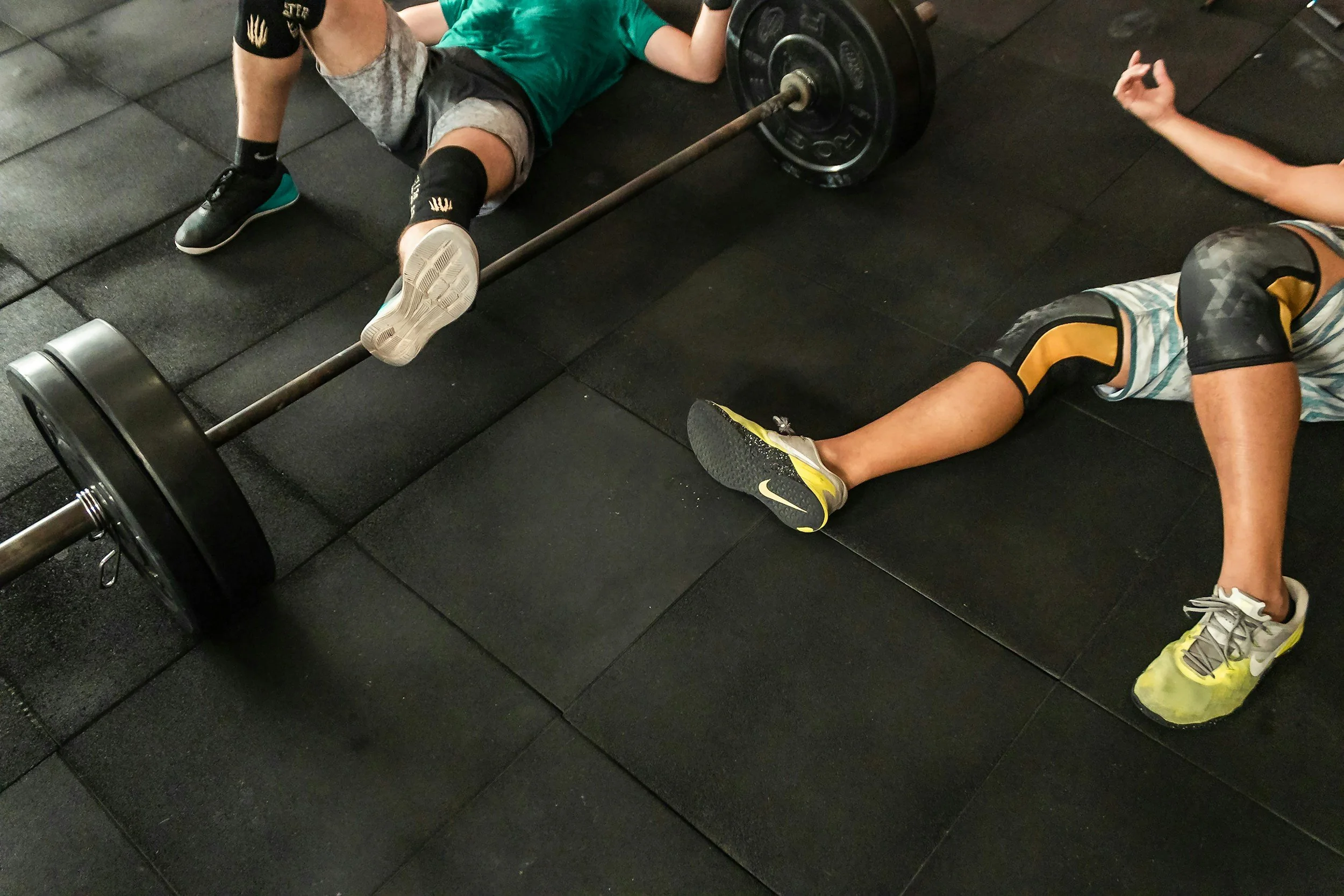
You felt it mid-set.
Maybe it happened during a heavy deadlift, right as the bar passed your knees. Maybe it was at the bottom of a squat, or as the bar touched your chest during a bench press. Something shifted…tight, sharp, unstable. You re-racked the weight, stepped back, and immediately knew something wasn’t right.
For anyone who takes training seriously, this moment is frustrating in a way that’s hard to explain to non-lifters. It’s not just about pain. It’s about the fear that follows. The fear of losing strength, of falling behind, of undoing months or even years of progress. Your routine gets disrupted, your confidence drops, and suddenly you’re unsure what the next step even looks like.
This is where most people go wrong.
They assume that injury means stopping everything. No lifting, no structure, just rest and wait. But the truth is much more nuanced than that. Injury is not the end of your training journey. It’s a phase of it, and like any phase, it requires a strategy.
If you approach recovery the right way, you won’t just maintain your progress—you can come back stronger, more aware of your body, and more resilient than before. The key is understanding that recovery is not passive. It’s active, intentional, and just as important as any training program you’ve ever followed.
Disclaimer
The information provided in this article is intended for educational and informational purposes only and is not a substitute for professional medical advice, diagnosis, or treatment. While the strategies discussed are based on strength training principles and coaching experience, every injury is unique, and individual circumstances may vary.
If you are experiencing significant pain, loss of function, or a serious injury, you should consult with a qualified healthcare professional such as a physician, physical therapist, or sports medicine specialist before attempting any exercise or rehabilitation program.
By applying the information in this article, you acknowledge that you are doing so at your own discretion and assume all responsibility for your training decisions.
First Things First: Understanding Your Injury
Before you can recover properly, you need to understand what you’re dealing with. One of the biggest mistakes lifters make is treating all injuries the same, when in reality, injuries exist on a spectrum and require different approaches.
Muscle strains are among the most common injuries in lifting, but even within that category, there are levels. A mild strain might feel like tightness or discomfort but still allow you to move relatively normally. A moderate strain can limit strength and range of motion, making certain movements difficult or painful. A severe strain, which is essentially a full tear, can result in a complete loss of function. Understanding where you fall on this spectrum is critical because it determines how aggressively—or conservatively—you should approach recovery.
Tendon irritation, often referred to as tendinitis, is another issue that lifters frequently encounter. Unlike acute injuries, tendon problems tend to build gradually over time. They often stem from repetitive stress combined with insufficient recovery. Joint-related issues, such as shoulder impingement or knee pain, also fall into this category and are often tied to movement patterns, imbalances, or overuse.
It’s also important to distinguish between acute injuries and overuse injuries. Acute injuries happen suddenly—something “tweaks” during a lift. Overuse injuries, on the other hand, develop slowly and are often ignored until they become serious enough to interfere with training.
One of the most valuable skills a lifter can develop is the ability to distinguish between normal soreness and actual injury. Soreness is typically dull, symmetrical, and improves as you warm up. Injury, however, tends to be sharper, more localized, and often worsens with movement. If your pain changes how you move, reduces your strength, or doesn’t improve after warming up, it’s something you need to take seriously.
There’s also a coaching reality that needs to be addressed: many injuries occur not because lifters are careless, but because they push through fatigue and soreness with compromised form. When your technique breaks down, your body is forced into positions it’s not prepared to handle. Over time, or in one poorly executed rep, that’s when injury happens. Recovery, therefore, isn’t just about healing. It’s about correcting the behaviors that led to the injury in the first place.
The Biggest Mistake: Doing Nothing
When injury strikes, the instinct to stop everything feels logical. If something hurts, you avoid it. If training caused the problem, then training must be the thing to eliminate. While this sounds reasonable on the surface, it often leads to longer recovery times and more frustration.
Complete rest comes with consequences. Muscles begin to weaken, coordination declines, and your body becomes less prepared to handle stress. Instead of improving, you often end up in a position where returning to training feels even harder than before.
This is why the concept of active recovery is so important. Rather than shutting everything down, you shift your approach. You remove or modify the movements that cause pain, but you continue to train what you can.
For example, if you’re dealing with a shoulder issue, there’s no reason to stop training your lower body. If your knee is bothering you, you can still train your upper body effectively. In some cases, you can even train the opposite limb and maintain strength through a phenomenon known as bilateral transfer, where working one side of the body helps preserve strength in the other. Bilateral transfer means that when one limb is recruited, there is a “small” response in the opposing limb, as we typically perform with both limbs simultaneously. So if you train your right bicep, your left bicep could be “provoked” and have some level of neuromuscular facilitation to keep it from going idle.
There’s also a mental component that often gets overlooked. Visualization, watching videos of proper technique, or mentally rehearsing your lifts, can help maintain neural pathways associated with performance. While it’s not a replacement for physical training, it can play a meaningful role in keeping you connected to your movements.
The goal is not to ignore the injury. It’s to stay engaged in the process without making things worse.
The Recovery Pyramid
To navigate recovery effectively, it helps to have a structured approach. The Recovery Pyramid provides a framework that guides you from initial injury to full return to training.
At the base of the pyramid is pain management. This doesn’t mean eliminating all discomfort, but it does mean avoiding movements that significantly aggravate your symptoms. The focus here is on modification rather than elimination. You’re adjusting your training to reduce stress on the injured area while staying active.
The next level is maintaining what you can. This is where many lifters either succeed or fail in their recovery. Instead of allowing your entire system to detrain, you continue to train unaffected areas. You keep intensity where possible, maintain conditioning, and preserve as much strength as you can.
Once pain is under control and you’ve maintained your baseline, the focus shifts to restoring function. This is where rehab work becomes critical. You address mobility limitations, improve stability, and begin reintroducing controlled loading to the injured area.
At the top of the pyramid is rebuilding strength. This is where you gradually return to heavier loads and more specific training. The key here is patience. Progression should be deliberate, not rushed.
It’s important to understand that this pyramid is a general framework. For more serious injuries, professional guidance is essential. However, for most lifters, this model provides a clear path forward and prevents the all-or-nothing thinking that often derails recovery.
Training Around an Injury
One of the most valuable skills you can develop as a lifter is the ability to train around limitations. Injury doesn’t mean you stop…it means you adapt.
Movement substitution is often the first step. If a specific exercise causes pain, you replace it with a variation that doesn’t. For example, if barbell bench pressing irritates your shoulder, switching to a neutral grip dumbbell press or a floor press can reduce stress while still training the same general movement pattern. If squatting is uncomfortable, a belt squat or leg press can allow you to continue training your lower body without aggravating your injury.
Range of motion adjustments can also make a significant difference. You don’t always need to move through a full range to get a training effect. Partial reps and controlled tempo work can reduce stress on the injured area while still providing a meaningful stimulus.
Load management becomes especially important during this phase. Instead of focusing on lifting as heavy as possible, you shift your focus to control and quality. Slowing down your reps, increasing time under tension, and using RPE-based adjustments can help you train effectively without overloading the injury.
Frequency can also be adjusted. In many cases, training more often with lower intensity allows you to maintain movement patterns and promote recovery through increased blood flow.
Real-world application is where this approach becomes most valuable. A lifter with a low back tweak might temporarily remove heavy deadlifts but continue training with lighter variations and core stability work. Someone with shoulder pain might avoid barbell pressing but continue building strength through dumbbell work and accessory movements. A lifter dealing with knee pain might reduce squat depth or switch to alternative movements while addressing underlying issues.
The key is to stay engaged without being reckless.
The Role of Rehab Work
Rehab is often misunderstood. Many lifters view it as something separate from training, something boring or optional. In reality, rehab is simply targeted strength training designed to address specific weaknesses or imbalances.
One of the most common mistakes is focusing too much on mobility when the real issue is stability. If a joint lacks control, stretching it further doesn’t solve the problem. In fact, it can make things worse. What’s needed instead is strength and control within that range of motion.
Isometric exercises play a powerful role in this process. By holding a position under tension, you can reduce pain, improve tendon health, and build stability without excessive movement. These are especially useful in the early stages of recovery.
Controlled eccentrics—slow lowering phases—are another valuable tool. They help build tissue resilience and improve your body’s ability to handle load.
Activation work, such as targeting the glutes, scapular stabilizers, and core, helps reinforce proper movement patterns. These muscles often become underactive, leading to compensations that increase injury risk.
When done correctly, rehab doesn’t feel like a step backward. It feels like refining your foundation.
Recovery Outside the Gym
What happens outside the gym plays a massive role in how quickly and effectively you recover.
Sleep is the most important factor. It’s during sleep that your body repairs tissue, regulates hormones, and restores energy. Poor sleep can significantly delay recovery, no matter how well your training is structured.
Nutrition is equally important. Your body needs adequate protein to repair damaged tissue and enough calories to support the healing process. One of the biggest mistakes lifters make is trying to cut weight while injured. This creates an environment where recovery is slowed and progress is harder to maintain.
Stress also plays a role. High levels of stress increase cortisol, which can interfere with recovery and increase inflammation. Managing stress through lifestyle adjustments, relaxation techniques, or simply maintaining structure can make a meaningful difference.
Hydration, while often overlooked, is another key factor. Proper hydration supports overall function, including recovery processes.
The Mental Side of Injury
Injury doesn’t just affect your body, it affects your mindset.
For many lifters, training is part of their identity. When that’s disrupted, it can lead to frustration, anxiety, and even a sense of loss. There’s often a fear of reinjury, which can make it difficult to trust your body again.
This is where perspective matters.
Instead of viewing injury as a setback, you can reframe it as an opportunity. It’s a chance to address weak points, improve technique, and develop a deeper understanding of your body. Many lifters come back stronger not in spite of injury, but because of what they learned during recovery.
Returning to Heavy Lifting
The transition back to heavy lifting is where patience is most important.
The biggest mistake is jumping straight back into max effort work. Just because something feels better doesn’t mean it’s fully ready for high stress.
A gradual reloading strategy is essential. Starting at lighter intensities and progressively increasing load allows your body to adapt safely. Monitoring symptoms along the way helps ensure you’re not pushing too far, too fast.
Reintroducing specificity, returning to your main lifts, should also be done gradually. This allows you to rebuild confidence and refine technique before pushing intensity.
How to Prevent Future Injuries
Long-term success in lifting isn’t about avoiding injury entirely…it’s about reducing risk and managing stress effectively.
This comes down to smart programming, consistent technique, and paying attention to your body. Deloads, proper load management, and addressing weak points early all play a role.
Conclusion
Injuries are part of the process.
They’re not a sign that you’ve failed, they’re a sign that you’re pushing your limits. The difference between lifters who succeed long-term and those who don’t is how they respond when things go wrong.
Smart lifters don’t just train harder. They recover better.
And if you approach recovery with the same level of intention as your training, you won’t just get back to where you were…you’ll surpass it.