
Ice Baths and Muscle Growth: Why Cold Water Immersion May Be Blunting Your Gains
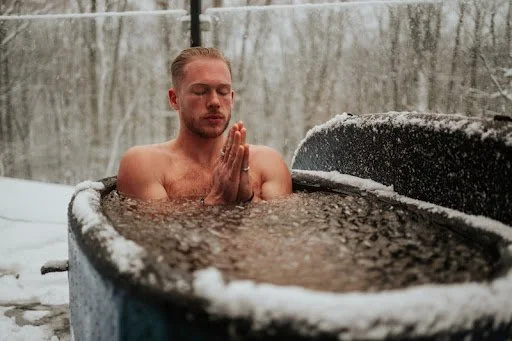
Cold water immersion has become one of the most popular recovery practices in modern fitness culture. Scroll through social media and you will see athletes submerged in tubs filled with ice, promoting discipline, resilience, dopamine release, and mental toughness. Podcasts discuss it as if it is a requirement for high performance. Influencers speak about it as though it belongs in the same category as progressive overload, protein intake, and sleep. Somewhere along the way, ice baths stopped being a situational recovery tool and started being marketed as a core component of strength training itself.
The problem is that popularity does not equal physiological effectiveness. Just because something is uncomfortable and looks intense does not mean it improves muscle growth. When we remove the trend factor and examine what actually drives hypertrophy at the cellular level, the argument for regular post workout ice baths becomes far less convincing. In fact, for individuals whose primary goal is muscular hypertrophy and strength development, cold water immersion may actively interfere with the very adaptations they are trying to create.
What Actually Causes Muscle Hypertrophy
Muscle growth is not random. It is a biological adaptation to stress. When you perform resistance training, you expose muscle fibers to mechanical tension, metabolic stress, and microscopic structural disruption. These stressors disturb homeostasis and initiate a cascade of cellular events that ultimately lead to increased muscle size and strength.
Mechanical tension activates intracellular signaling pathways, particularly the mTOR pathway, which regulates protein synthesis. Downstream targets such as p70S6 kinase play a key role in translating mechanical stress into muscle protein accretion. At the same time, resistance training produces microtrauma within muscle fibers, especially type II fibers, which are most responsive to hypertrophy. This microtrauma triggers an inflammatory response that recruits immune cells to the damaged tissue. Contrary to popular belief, this acute inflammation is not a mistake. It is part of the remodeling process.
Satellite cells, which are muscle stem cells located between the basal lamina and the muscle fiber membrane, are activated in response to this stress and inflammation. Once activated, they proliferate and donate nuclei to existing muscle fibers. The addition of myonuclei increases the fiber’s capacity for protein synthesis, which supports long term growth. Without sufficient satellite cell activation and anabolic signaling, hypertrophy is limited.
In simple terms, muscle growth requires stress. That stress leads to controlled inflammation. That inflammation contributes to the signaling processes that allow adaptation. If you blunt those signals too aggressively, you risk blunting the adaptation itself.
Inflammation Is Not the Enemy
The modern health narrative often treats inflammation as something that must always be minimized. Chronic systemic inflammation is indeed associated with disease and dysfunction. However, acute localized inflammation following resistance training is fundamentally different. It is a short term, targeted response that facilitates tissue repair and adaptation.
After a hard training session, inflammatory cytokines help coordinate the repair process. Immune cells clear damaged tissue and create an environment that supports satellite cell activation. Blood flow increases to deliver nutrients and oxygen. The body begins remodeling muscle fibers so that they can better tolerate future stress. This is not pathology. It is physiology.
When athletes immediately submerge themselves in cold water after training, they reduce tissue temperature and cause vasoconstriction. Blood flow is restricted. Metabolic activity in the muscle is lowered. Inflammatory signaling may be dampened. While this can reduce soreness and swelling, it may also interfere with the cellular environment required for optimal adaptation. If the goal of a hypertrophy phase is to stimulate growth, intentionally suppressing the signaling cascade that drives that growth is counterintuitive.
The Research on Cold Water Immersion and Strength Adaptation
The argument that cold water immersion may blunt hypertrophy is not speculative. It has been examined directly in controlled research. A landmark study by Roberts and colleagues in 2015 investigated the effects of post exercise cold water immersion on muscle adaptations to strength training. The study, titled “Post-exercise cold water immersion attenuates acute anabolic signalling and long-term adaptations in muscle to strength training,” provides critical insight into this issue.
In the twelve week intervention, twenty one physically active men participated in resistance training twice per week. After each session, participants either performed ten minutes of cold water immersion or engaged in active recovery through low intensity cycling. At the end of the training period, the differences between groups were significant.
The active recovery group experienced greater increases in muscle mass and strength compared to the cold water immersion group. Specifically, isokinetic work increased by nineteen percent in the active recovery group. Type II muscle fiber cross sectional area increased by seventeen percent. The number of myonuclei per fiber increased by twenty six percent. These adaptations were either significantly smaller or absent in the cold water immersion group.
In addition to long term outcomes, the researchers examined acute molecular responses. They found that phosphorylation of p70S6 kinase was greater after exercise with active recovery than with cold water immersion. Satellite cell markers such as NCAM and Pax7 increased more robustly in the active recovery condition. In other words, cold water immersion attenuated the activation of key proteins and satellite cells involved in muscle hypertrophy.
The authors concluded that the regular use of cold water immersion as a post exercise recovery strategy should be reconsidered for individuals seeking to maximize strength and muscle gains. That is a strong statement grounded in both molecular and functional evidence.
Soreness Reduction Is Not the Same as Growth
One of the main reasons people swear by ice baths is that they reduce perceived soreness. After sitting in cold water, muscles often feel less inflamed and less tender. This creates the impression of improved recovery. However, soreness is not a direct indicator of adaptation. Reducing soreness does not automatically translate to enhanced muscle growth.
Delayed onset muscle soreness is partly related to inflammation and tissue remodeling. While excessive soreness can interfere with performance, mild to moderate soreness is often a byproduct of effective training stimulus. Blunting that sensation through aggressive cooling does not necessarily improve long term outcomes. It may simply mask the natural response to training stress.
The distinction between feeling recovered and actually adapting is critical. Cold water immersion may make an athlete feel better in the short term, but the research suggests it may reduce the magnitude of long term hypertrophic adaptation when used consistently after resistance training.
The Difference Between Strength Athletes and Traditional Field Athletes
Context matters. The goals of a bodybuilder or powerlifter are not identical to the goals of a soccer player in season. A strength athlete during a hypertrophy block is attempting to maximize muscle protein synthesis, satellite cell activation, and fiber growth over time. The priority is adaptation magnitude.
In contrast, a traditional field or court athlete often prioritizes performance readiness. If a basketball player has multiple games per week, reducing soreness and swelling quickly may be more important than maximizing long term hypertrophy signaling after each session. In such cases, cold water immersion may serve a functional purpose.
The mistake occurs when strategies designed for high frequency competition schedules are applied indiscriminately to hypertrophy focused resistance training. These are different contexts with different priorities. A recovery tool that benefits one scenario may hinder another.
The Nervous System and Mood Effects of Cold Exposure
While cold water immersion may blunt muscle growth signaling when used after resistance training, it does appear to have interesting effects on the nervous system. A 2023 study by Yankouskaya and colleagues examined the psychological and neural effects of short term whole body cold water immersion. Participants underwent a five minute immersion at twenty degrees Celsius and reported changes in mood and affect.
The study found that participants experienced increased feelings of alertness, attentiveness, pride, and inspiration after cold exposure. Negative emotions such as distress and nervousness were reduced. Brain imaging data suggested increased connectivity between networks involved in attention control, emotion regulation, and self processing.
These findings suggest that cold water immersion may act as a neurological stimulus. It can activate the sympathetic nervous system and produce a heightened state of alertness. For individuals looking to feel energized in the morning or mentally sharp before a demanding task, brief cold exposure may offer psychological benefits.
However, these mood and neural effects are distinct from muscle hypertrophy. Feeling alert and focused does not equate to enhanced anabolic signaling. The nervous system activation observed in this study does not override the molecular data suggesting attenuation of hypertrophy pathways when cold immersion is used after strength training.
When Might Ice Baths Be Appropriate
Despite the concerns regarding hypertrophy, there are scenarios in which ice baths may be appropriate. Athletes competing in tournaments or back to back events may benefit from reducing acute inflammation and soreness to maintain short term performance. In these situations, the priority shifts from maximizing adaptation to preserving readiness.
Cold exposure may also be useful in cases of acute injury where swelling needs to be managed. In a medical context, reducing inflammation can be beneficial for pain control and tissue protection.
Additionally, individuals who use cold exposure as a tool for mental stimulation may find value in brief morning immersions that are separated from resistance training sessions. Using cold water immersion as a psychological primer rather than a post workout recovery strategy may allow individuals to capture mood benefits without interfering directly with hypertrophy signaling.
Final Thoughts on Ice Baths and Muscle Growth
Cold water immersion is not inherently harmful. It is simply misapplied in many hypertrophy focused training programs. The research by Roberts and colleagues demonstrates that consistent post exercise cold water immersion can attenuate anabolic signaling, reduce satellite cell activation, and blunt long term gains in muscle mass and strength. For individuals whose primary goal is to build muscle, this should prompt careful reconsideration.
Muscle growth requires stress. It requires controlled inflammation. It requires time for signaling pathways to activate and remodel tissue. Attempting to suppress these processes immediately after training may undermine the very adaptations you are working to create.
If your goal is hypertrophy, prioritize progressive overload, adequate nutrition, quality sleep, and intelligent programming. Allow your body to complete the adaptive process. Use recovery tools strategically rather than trendily. Ice baths may have a role in specific contexts, particularly for traditional athletes managing dense competition schedules or for individuals seeking acute mental stimulation. However, they should not be viewed as a universal pillar of muscle building.
Understanding the difference between recovery perception and physiological adaptation is critical. When muscle growth is the objective, the evidence suggests that regular post workout cold water immersion may be doing more harm than good.
References
Roberts, L. A., Raastad, T., Markworth, J. F., Figueiredo, V. C., Egner, I. M., Shield, A., Cameron-Smith, D., Coombes, J. S., and Peake, J. M. (2015). Post-exercise cold water immersion attenuates acute anabolic signalling and long-term adaptations in muscle to strength training. Journal of Physiology. PMCID: PMC4594298. PMID: 26174323.
Yankouskaya, A., Williamson, R., Stacey, C., Totman, J. J., and Massey, H. (2023). Short-Term Head-Out Whole-Body Cold-Water Immersion Facilitates Positive Affect and Increases Interaction between Large-Scale Brain Networks. PMCID: PMC9953392. PMID: 36829490.