
Powerbuilding for Beginners: The Complete Guide to Building Size and Strength
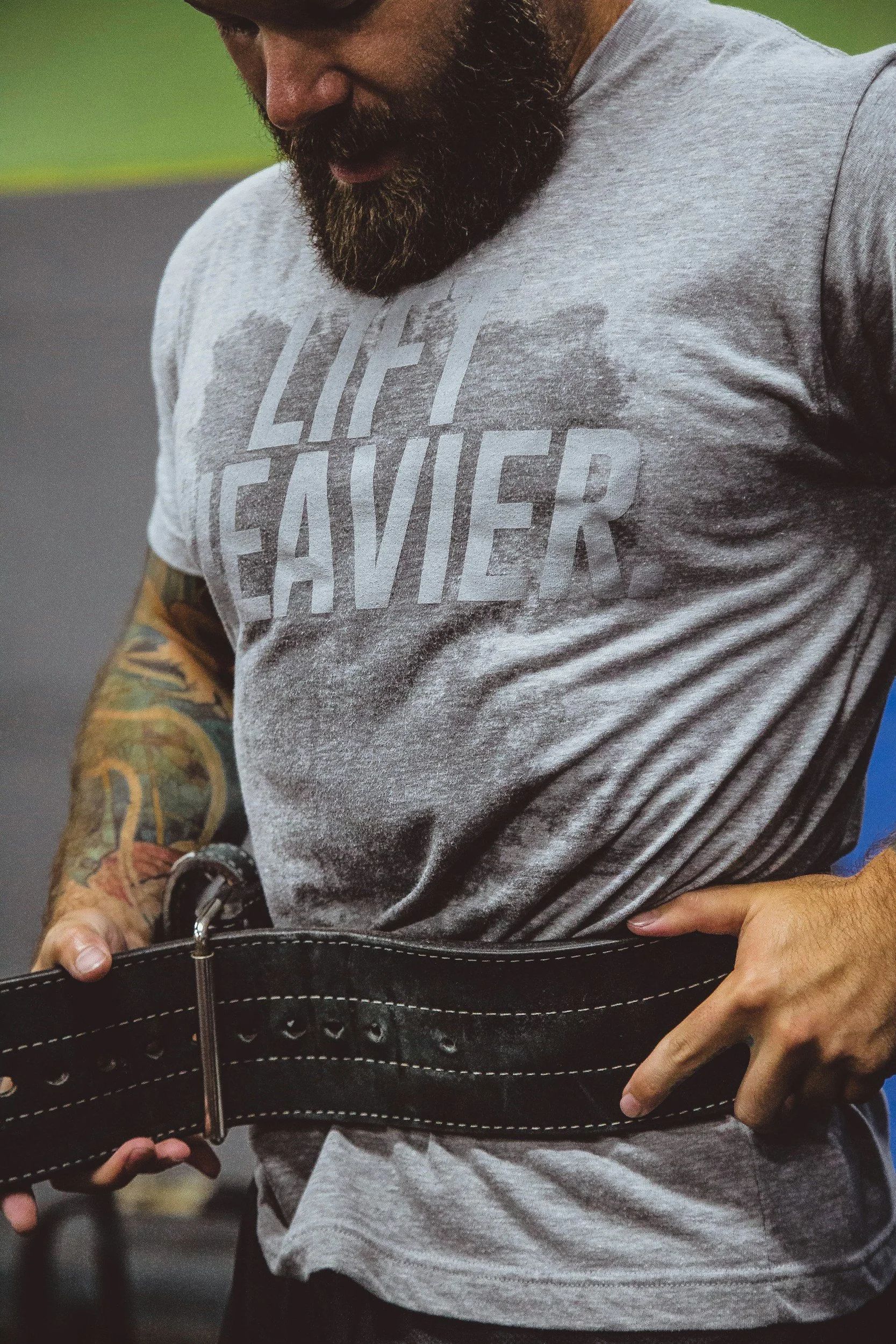
If you’ve ever felt stuck choosing between getting stronger or getting bigger, you’re not alone. Most lifters eventually reach a point where they realize traditional bodybuilding programs don’t build maximal strength, while pure powerlifting programs don’t always deliver the physique they want.
That’s where powerbuilding comes in.
Powerbuilding is one of the most effective training styles for lifters who want the best of both worlds. It combines the intensity and structure of powerlifting with the volume and muscle-focused work of bodybuilding. The result is a system that builds strength, muscle mass, and overall athletic capability at the same time.
In this guide, you’re going to learn exactly how powerbuilding works, how to structure your workouts, and how to implement a proven system. More importantly, you’ll get a complete sample program that you can start using immediately.
What Is Powerbuilding?
At its core, powerbuilding is a hybrid training method. It blends the main compound lifts from powerlifting—such as the squat, bench press, and deadlift—with accessory movements from bodybuilding that target specific muscles.
The goal is simple:
Build a physique that is not only muscular but also strong and functional.
Unlike traditional bodybuilding, which often focuses on isolation exercises and higher rep ranges, powerbuilding emphasizes heavy compound lifts at the beginning of each workout. These movements recruit the most muscle mass and allow you to build raw strength.
From there, the workout transitions into bodybuilding-style accessory work. This is where you focus on hypertrophy, symmetry, and bringing up weak points.
This combination is what makes powerbuilding so effective. You get the neurological and strength adaptations from heavy lifting, while also creating the metabolic stress and muscle damage needed for growth.
The Powerbuilding Structure
To understand how to program powerbuilding correctly, you need to understand its structure. Every workout should follow a logical progression from high intensity to high volume.
A properly designed powerbuilding session includes the following components:
Powerlifting Compound Movement
2–3 sets of 3–6 reps
2–3 minutes rest
Powerlifting Variation
2–3 sets of 3–6 reps
2–3 minutes rest
Bodybuilding Compound or Isolation Movement
2–5 sets of 10–20 reps
60 seconds rest
Bodybuilding Isolation Movement
3–5 sets of 10–20 reps
60 seconds rest
Bodybuilding Isolation Movement
3–5 sets of 10–20 reps
30–60 seconds rest
The goal of this structure is to create fatigue in a strategic way. You start by recruiting as much muscle as possible with heavy lifts, then build on that fatigue with targeted accessory work.
Why Powerbuilding Works
Powerbuilding works because it addresses all the key drivers of strength and hypertrophy at the same time.
First, the heavy compound lifts improve neural efficiency. This means your body becomes better at recruiting muscle fibers, which leads to increased strength.
Second, the accessory work creates metabolic stress and muscle damage. These are two of the primary drivers of muscle growth.
Third, the combination of intensity and volume allows you to train hard without overloading your joints. By mixing rep ranges and exercise types, you reduce repetitive strain while still progressing.
Finally, powerbuilding is sustainable. It gives you enough variety to stay engaged while still following a structured plan.
Key Principles of Powerbuilding
Before jumping into the program, it’s important to understand a few key principles that will determine your success.
Start with Compound Movements
Every workout should begin with a compound lift. These movements use multiple joints and recruit large amounts of muscle mass, making them the most efficient way to build strength.
Movements like squats, bench press, deadlifts, and overhead presses should always come first because they require the most energy and focus.
Use Accessory Work to Build Weak Points
Once the main lifts are complete, the focus shifts to accessory work. This is where you target specific muscles that may be limiting your performance.
For example, if your squat is weak at the bottom, you might include pause squats or dead squats. If your bench press lacks lockout strength, triceps-focused exercises can help.
Manipulate Rest Periods
Rest intervals play a major role in powerbuilding.
For heavy compound lifts, longer rest periods (2–3 minutes) allow you to recover and maintain performance. For accessory work, shorter rest periods (30–60 seconds) keep the muscles under constant stress.
This combination helps you build both strength and endurance.
Balance Volume and Time Under Tension
One of the biggest debates in training is whether volume or time under tension is more important. In reality, both have value.
Volume helps build strength and reinforces movement patterns, while time under tension increases muscle fatigue and promotes growth.
In a powerbuilding program, you should aim to incorporate both. Use controlled tempos and higher reps in accessory work to maximize muscle engagement.
Include Deload Weeks
Recovery is just as important as training.
Every 3–4 weeks, you should include a deload week where you reduce both volume and intensity to around 80% of your normal workload. This allows your body to recover and come back stronger.
Sample Powerbuilding Program
Now let’s look at how all of this comes together in a real program.
This sample includes a Squat Day and a Push Day, both designed using the powerbuilding structure.
Squat Day
Squat day is focused on lower body strength and posterior chain development.
Squats
2×5 reps
Rest: 2–3 minutes
Dead Squats (1” above parallel)
2×3 reps @ RPE 9
Rest: 2–3 minutes
Dumbbell Romanian Deadlifts
2×10 reps
Rest: 60 seconds
Single-Leg Hamstring Curl
2×20 reps each leg
Rest: 60 seconds
Leg Press Machine
3×20 reps
Rest: 30 seconds
This structure allows you to build maximal strength early in the session before transitioning into high-volume work that targets the hamstrings, glutes, and quads.
Push Day
Push day focuses on upper body pressing strength and hypertrophy.
Bench Press
2×3 reps
Rest: 2–3 minutes
Band-Resisted Speed Bench Press
3×3 reps @ 70% of working sets
Rest: 2–3 minutes
30° Incline Dumbbell Bench Press
3 sets: 10, 8, 6 reps
Rest: 60 seconds
Rear Deltoid Flies
3×15 reps
Rest: 60 seconds
Push-Ups
5×20 reps
Rest: 30 seconds
This workout balances heavy pressing with speed work and high-volume accessory movements to fully develop the chest, shoulders, and triceps.
How to Progress This Program
To see results, progression is key.
Each week, aim to increase either the weight or the number of reps on your main lifts. For accessory work, focus on improving control, tempo, and muscle engagement.
You don’t need to make massive jumps in weight. Small, consistent improvements over time will lead to significant gains.
Who Should Use Powerbuilding?
Powerbuilding is ideal for a wide range of lifters.
Beginners can use it to build a strong foundation of strength and muscle. Intermediate lifters can use it to break plateaus and improve weak points. Even advanced lifters can benefit from the variety and balance it provides.
If your goal is to look better, get stronger, and perform at a higher level, powerbuilding is one of the most effective systems you can follow.
Final Thoughts
Powerbuilding is more than just a training style—it’s a philosophy.
It’s about training with purpose, balancing strength and size, and pushing your body to become more capable in every way. By combining heavy compound lifts with targeted accessory work, you create a system that delivers real, measurable results.
If you follow the principles outlined in this guide and stay consistent with your training, you’ll not only build muscle and strength—you’ll build a body that performs at a high level.
Now it’s time to put it into action.