
Stop Trying to Go 9/9 in a Powerlifting Competition
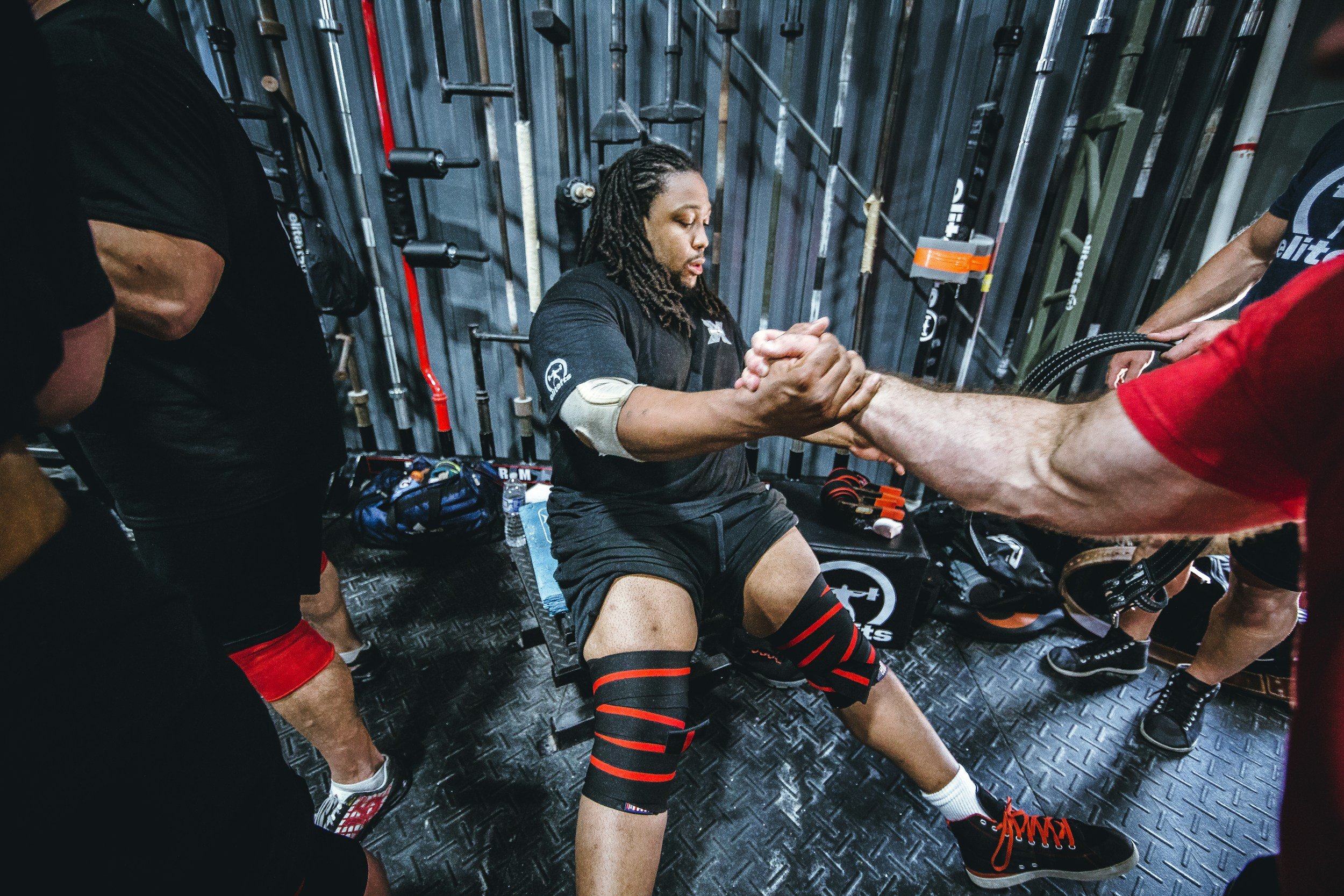
Going 9 for 9 in a powerlifting meet feels good.
Three white lights on every lift. A clean scorecard. No misses. No red lights. No embarrassment. You leave the platform thinking, “Perfect meet.” But here’s the uncomfortable truth:
Going 9/9 does not automatically mean you competed well.
In fact, sometimes it means you didn’t really compete at all. Somewhere along the way, 9/9 became this gold standard in powerlifting. Lifters post it proudly like it’s the trophy itself. “Went 9/9.” “Perfect day.” “Couldn’t have gone better.”
But could it have?
The purpose of a powerlifting meet is not to avoid missing lifts. The purpose is to build the biggest total you can on that day. And building the biggest total requires something most lifters try to avoid: risk.
You can go 9/9 and still underperform. You can open light, take conservative jumps, and choose safe third attempts that you know you’ll make. You can leave 10–20 kilos sitting on the bar because you didn’t want to risk a miss. You can walk away with a perfect scorecard and an imperfect total. On paper, it looks flawless. On the platform, it might have been cautious. The real question isn’t “Did you make all your lifts?” The real question is “Did you take the right lifts?”
What Are You Actually Competing For?
When you sign up for a meet, what are you actually chasing? A qualifying total? A PR? A podium spot? A state record? Redemption from a bad meet?
None of those goals say anything about going 9/9. They all revolve around numbers. Meaningful numbers. Yet so many lifters step on the platform thinking more about protecting their scorecard than attacking their goal.
And that mindset usually comes from fear.
Fear of missing in front of a crowd. Fear of bombing out. Fear of looking foolish. Fear of letting their coach down. Fear of not matching gym lifts. Fear of posting a meet recap that includes a red X. So instead of chasing performance, they chase safety.
But here’s the irony: if you play sports with fear, you will eventually misstep anyway. When your brain is focused on “don’t miss,” it stops focusing on execution. It stops focusing on aggression, timing, bar speed, and commitment. You become hesitant. And hesitant lifting misses too. Powerlifting is still a sport. And every sport requires risk. A quarterback doesn’t throw the ball thinking, “I hope this doesn’t get intercepted.” He throws to complete the pass. A basketball player doesn’t take the final shot thinking, “I hope I don’t miss.” They take the shot to score. They accept the possibility of failure because the goal is bigger than perfection.
Somehow, in powerlifting, we’ve started glorifying perfection over performance
The Difference Between Competing and Participating
Imagine two lifters at the same meet. One goes 9/9, makes conservative jumps, and secures a total that’s solid but safe. The other goes 8/9, misses one aggressive third attempt, but sets a lifetime PR total and wins their class.
Who competed better?
The scorecard might favor the 9/9 lifter emotionally, but the meet results favor the one who took a real swing.
Your opener should not be the highlight of your meet. It’s there to establish rhythm and build confidence. A good opener should feel almost automatic. It’s your entry ticket into the competition. If your opener is the most impressive lift of your day, you didn’t push yourself enough later on.
Second attempts are where the meet really begins. They should move you toward something meaningful. This is where lifters start to get cautious. They feel the pressure rising, so instead of making a decisive jump, they make a tiny one. They tell themselves they’re being “smart,” but sometimes they’re just being scared.
By the time third attempts roll around, the pattern is clear. Instead of asking, “What do I need to hit my goal total?” lifters ask, “What can I definitely make so I go 9/9?”
Those are two completely different mindsets.
If your third attempt feels guaranteed, it might not be ambitious enough. Third attempts are supposed to reflect your preparation and your goals. They should stretch you slightly. Not recklessly, not stupidly — but honestly.
Missing Isn’t Failure — It’s Feedback
Missing a third attempt because you chased something meaningful is not failure. It’s competition.
There’s a big difference between being reckless and being courageous. Reckless is throwing on weight you haven’t trained for. Reckless is ignoring how your warm-ups are moving. Reckless is ego lifting.
Courageous is calculated. Courageous is making the jump that aligns with your goal total. Courageous is accepting that you might miss — and calling it anyway.
A lot of lifters justify conservative attempts by saying they’re afraid of bombing out. And bombing out is scary. Three missed attempts on one lift and you’re done. But bomb-outs usually don’t happen because someone chased a bold third attempt. They happen because someone chose an ego-driven opener that was too heavy, or because they ignored clear signs that something was off.
You don’t prevent bomb-outs by aiming for 9/9. You prevent bomb-outs by choosing smart openers. Once you’re in the meet, you have room to push.
Playing to Win vs. Playing Not to Lose
There’s a huge psychological difference between playing to win and playing not to lose.
Playing not to lose looks like tiny jumps, safe thirds, and celebrating perfection. Playing to win looks like building momentum and then taking the lift that actually matters.
The platform is not the place to protect your ego. It’s the place to test it.
If you squatted 600 in prep but call 575 at the meet because you want to “secure a perfect day,” you didn’t bring your strength to the platform. You brought your anxiety. The gym is where you build strength. The meet is where you express it.
No one hands out trophies for 9/9. They hand out medals for totals. Records aren’t awarded for perfection. They’re awarded for weight.
That doesn’t mean recklessness wins meets. It means intention wins meets.
How to Call Attempts That Actually Matter
Before you compete, you should know exactly what you’re chasing. A number. A placing. A qualification. Something concrete. Your attempts should ladder toward that objective. Your opener should be stable. Your second should build pressure. Your third should reflect the reason you showed up in the first place.
If you go 9/9 because you chased your goal total and everything lined up perfectly, that’s awesome. That’s a great meet. But if you go 9/9 because you were afraid to miss, that’s not competitive — that’s protective. And powerlifting rewards the competitive.
When 9/9 Actually Makes Sense
There are times when going 9/9 makes sense. A first-time competitor who just needs experience on the platform should focus on making lifts. Someone returning from injury might prioritize confidence over aggression. In those scenarios, perfection on paper serves development.
But for experienced lifters chasing real numbers, 9/9 should be a byproduct, not the target.
Compete to Build Your Total
The next time you step on the platform, don’t ask yourself, “Can I go 9/9?”
Ask yourself, “What total am I here to build?”
Let that answer guide your attempts.
Accept that one red light doesn’t erase your preparation. Accept that one missed third attempt doesn’t define your strength. Accept that competing means risking something. Because a fearless 8/9 that reflects your true ability will always be more meaningful than a cautious 9/9 that leaves your best lifts in the warm-up room.
Compete to build your total.
Not to protect your scorecard.